
Gestión de inventarios automatizada: Evita quiebres de stock con tu ERP en 2026
Learn how to determine optimal stock levels using ERP automation. Eliminate manual counts, prevent stockouts, and scale your business operations effectively.
Gestión de inventarios automatizada: Evita quiebres de stock con tu ERP en 2026
En el entorno empresarial actual, la eficiencia operativa es el factor determinante para escalar. Si tu empresa aún depende de hojas de cálculo manuales para gestionar sus existencias, es probable que estés perdiendo dinero cada día. Para determine optimal stock levels and avoid costly stockouts, the integration of an automated ERP system is no longer a luxury—it is a survival necessity for 2026.
Why Manual Inventory Management is Killing Your Growth
Manual inventory management, often relying on Excel or paper-based systems, is prone to human error, delayed data, and lack of real-time visibility. When you cannot determine optimal reorder points, you face two extremes: overstocking, which ties up your cash flow, or stockouts, which result in lost sales and damaged customer trust.
As discussed in our guide on how to choose the best sales and inventory system for your growing business, moving away from manual processes is the first step toward true digital maturity. If you are still wondering about the risks, read our analysis on the hidden cost of free Excel inventory control versus Artificial Intelligence.
How to Determine Optimal Stock Levels with ERP Automation
To determine optimal stock levels, your ERP must act as the central nervous system of your operations. By centralizing data, you gain the ability to analyze historical sales trends, lead times, and seasonal demand fluctuations.
1. Real-Time Data Synchronization
An ERP system ensures that every sale, purchase, or return is reflected in your inventory count instantly. This eliminates the "lag" between physical stock and digital records.2. Automated Reorder Points
Instead of waiting for a manager to notice low stock, the system triggers automated alerts when an item reaches a pre-defined minimum threshold. This is a core feature of how an ERP system software eliminates operational chaos in your business.3. Demand Forecasting with AI
Modern ERPs, when paired with AI for business: automate operations and reduce costs, can predict future demand based on past performance, allowing you to optimize procurement cycles effectively.The Role of Integration in Operational Efficiency
Inventory does not exist in a vacuum. It is deeply connected to your sales channels, your accounting, and your logistics. To determine optimal workflows, you must ensure your ERP communicates seamlessly with other platforms.
For instance, integrating your WhatsApp Business API allows you to notify customers automatically when an out-of-stock item is back in inventory, turning a potential loss into a future sale. Furthermore, ensuring your ERP is ready for electronic fiscal receipts is critical for compliance in the Dominican Republic.
Steps to Transition from Manual to Automated Inventory
Conclusion
To determine optimal inventory levels and scale your business without the chaos, you need a robust technological foundation. At AA High Tech, we specialize in designing these ecosystems. Whether you need to automate your business processes or implement a full ERP, we are here to help you achieve measurable results.
Ready to automate your inventory and stop losing sales? Contact us today.
Preguntas Frecuentes
Manual tracking lacks real-time visibility, ignores seasonal trends, and is prone to human error, making it impossible to react quickly to market changes.
An ERP automates reorder alerts based on real-time inventory levels, ensuring you replenish stock before it runs out.
Yes, AI analyzes historical data to predict demand patterns, allowing for more accurate procurement and reduced carrying costs.
While there is an initial investment, the ROI is realized through reduced labor costs, fewer lost sales, and optimized cash flow, making it a cost-effective strategy for growing businesses.
Optimiza tu inventario hoy con AA High Tech
Comenzar AhoraArtículos Relacionados

SAP Alternatives: How to Choose a Scalable ERP for Your Growing Business
Discover why growing companies are looking for SAP alternatives and how to implement a custom ERP that centralizes operations without the complexity of legacy systems.

How to Choose the Best Sales and Inventory System for Your Growing Business
Discover how to choose the best sales and inventory system integrated with your ERP to eliminate bottlenecks, automate processes, and scale your company efficiently in 2026.
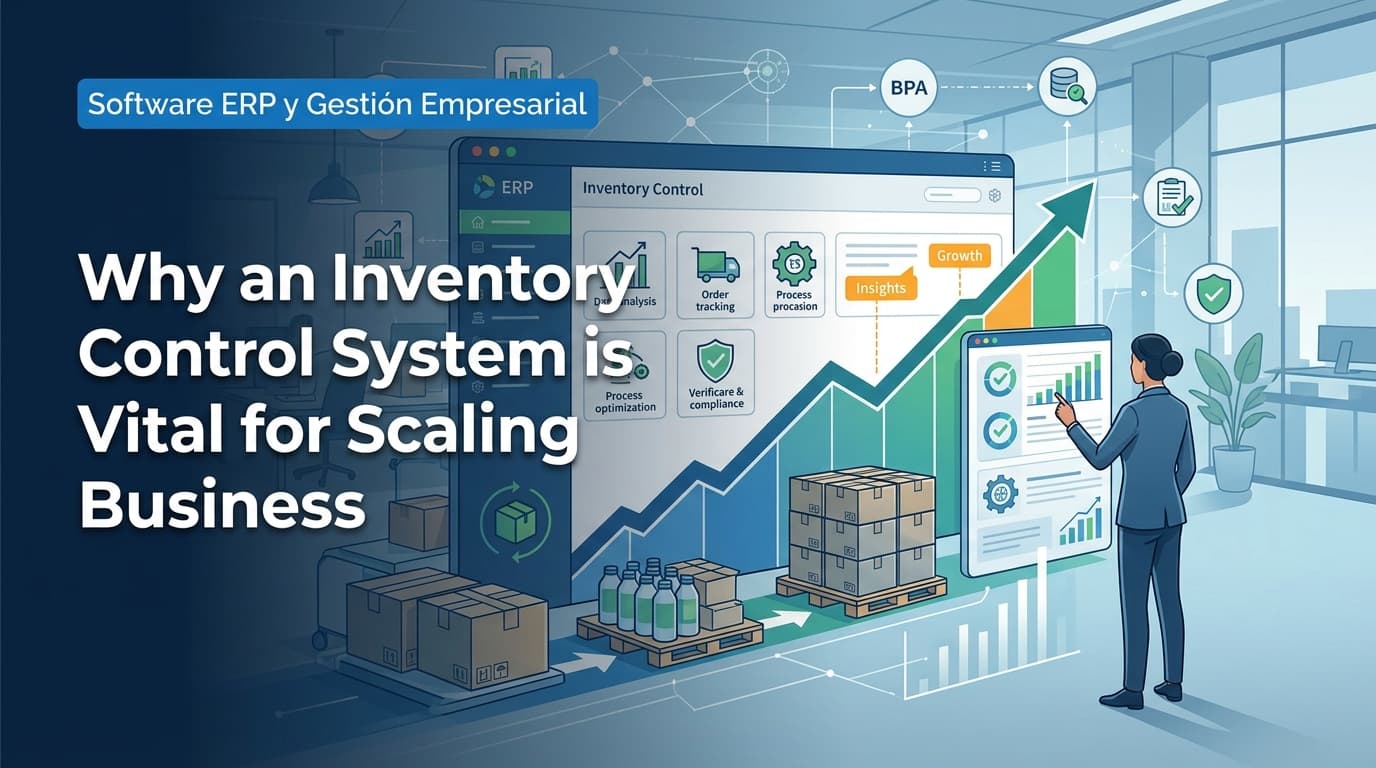
Why an Inventory Control System is Vital for Scaling Your Business
Discover why an inventory control system integrated with an ERP is vital to avoid stockouts, centralize operations, and scale your business effectively.

How an ERP System Software Eliminates Operational Chaos in Your Business
Discover how an ERP system software centralizes your operations, automates processes, and allows your business to scale without the chaos of manual management.
Alternativas a SAP: Cómo elegir un ERP escalable para tu empresa
Descubre por qué las empresas en crecimiento buscan alternativas a SAP y cómo implementar un ERP a medida que centralice operaciones sin la complejidad de sistemas legados.